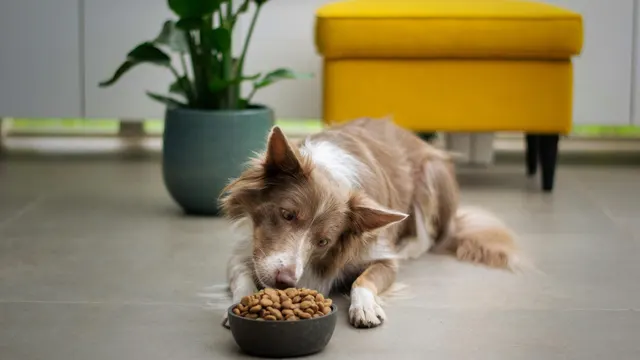
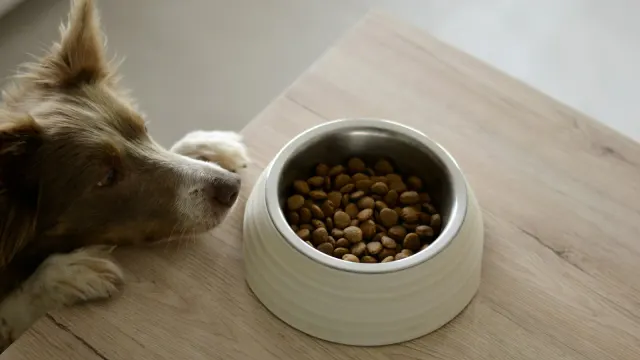
Thanksgiving foods that are riskier for senior dogs
Not veterinary advice: This article is for general information and isn’t a substitute for professional veterinary advice. Always talk with your veterinarian before changing your dog’s diet, supplements or medications, or if you notice new symptoms.
Your older dog has been waiting for this meal all day, and the turkey smells wonderful. The short version: a few bites of plain, boneless, skinless turkey is generally fine, but the skin, gravy, buttery sides, bones, stuffing, sweets and the trash bag are where holiday trouble starts. If your senior dog has a health condition or eats a special diet, the safest plan is to skip people food altogether and ask your vet what’s okay.
A note on how we wrote this: the veterinary sources we read give one holiday list for all dogs. None of them says older dogs react to these foods differently, and one source says pancreatitis has no age predisposition. What we’ve done is organize that advice for homes with an older dog, and we point out where common senior-dog situations, like a heart condition or a past bout of pancreatitis, make table food a worse idea. That framing is ours, not a medical finding.
Key takeaways
- Plain turkey meat is the exception, not the rule. The AVMA says plain, boneless, skinless turkey is generally safe in small portions. It says gravy, sauces, dressing, and meat or poultry fat or skin can be hard to digest, and sometimes even a small amount can cause pancreatitis.
- Skip the bones. AAHA warns that cooked turkey bones become brittle and can splinter. Cornell lists choking, tooth fractures and digestive blockages.
- Some stuffing and dessert ingredients are toxic: onions, garlic, grapes, raisins, chocolate, xylitol, raw yeast dough and macadamia nuts.
- Secure the trash. Cornell says many dogs get into trouble by stealing food, not by being handed it.
- Dogs with heart disease, kidney trouble or a pancreatitis history need a vet’s answer first. Don’t guess.
Quick check: share or skip?
A fast answer for the kitchen. Every row comes from the sources in the detailed table below, which explains the reasons. If your dog has a health condition or eats a special diet, skip people food entirely and ask your vet.
| Food | Share a little, or skip? |
|---|---|
| Plain, boneless, skinless turkey meat | Generally OK in a small portion (AVMA, AAHA) |
| Plain green beans, carrots or peas | Generally OK (AAHA, Cornell) |
| Plain pumpkin (not pie) or a little plain sweet potato | Generally OK (AAHA) |
| Apple slices, plain unsweetened applesauce, frozen blueberries | Generally OK (Cornell, AAHA) |
| Turkey skin, fat trimmings, drippings, gravy | Skip: high fat, pancreatitis risk |
| Buttery mashed potatoes, rich sauces, cheese | Skip: high fat |
| Turkey or ham bones | Skip: can splinter or cause a blockage |
| Stuffing or sides with onion, garlic or chives | Skip: toxic to dogs |
| Grapes, raisins (in stuffing or desserts) | Skip: can cause kidney failure |
| Chocolate, pies, sugar-free (xylitol) desserts | Skip: toxic to dogs |
| Pecans, walnuts, macadamia nuts | Skip |
| Raw bread or yeast dough | Skip |
| Alcohol | Skip |
| Salty snacks | Skip |
| Corn cobs | Skip: blockage risk |
Even the “generally OK” foods are treats. Cornell says treats should stay under 10% of your dog’s daily calories.
What to keep away from your senior dog
This table pulls together what AVMA, AAHA, FDA, Cornell and the ASPCA say about common Thanksgiving foods. It isn’t complete, and a “safe” food can still upset an individual dog.
| Food | What the sources say | Safer swap |
|---|---|---|
| Turkey skin, fat trimmings, drippings | High-fat foods can trigger vomiting and diarrhea, or even pancreatitis (Cornell, FDA, AVMA) | A few bites of plain, boneless, skinless turkey meat |
| Gravy, buttery mashed potatoes, rich sauces, cheese | AAHA lists rich sauces and buttery mashed potatoes as high-fat foods that can cause GI upset and may trigger pancreatitis. Cornell lists gravy and cheese among fatty foods | A small amount of plain pumpkin (not pumpkin pie) or plain cooked sweet potato |
| Turkey and ham bones | Can splinter and cause choking, internal injury or a blockage (AAHA, FDA). Cornell also lists tooth fractures | Skip bones. The AVMA says to make or buy a treat made just for dogs |
| Stuffing and sides with onions, garlic or chives | Can damage red blood cells and lead to anemia (AAHA, Cornell, ASPCA) | Plain green beans or carrots |
| Stuffing or desserts with grapes or raisins | Can lead to kidney failure; Cornell says even small amounts (AAHA, Cornell) | Frozen blueberries (AAHA) |
| Pecans, walnuts, macadamia nuts | ASPCA says nuts have high amounts of oils and fats that can cause vomiting, diarrhea and possibly pancreatitis. Macadamias can cause weakness, tremors and hyperthermia | Skip nuts entirely |
| Chocolate, pies, sugar-free desserts | Chocolate is toxic to dogs, and darker is worse. Xylitol can cause a rapid drop in blood sugar, seizures and liver failure (AAHA) | Nothing from the dessert table |
| Raw bread or yeast dough | Can bloat painfully and produce alcohol in the stomach (AVMA, AAHA, ASPCA) | Keep rising dough out of reach |
| Alcohol | Even a small amount can be dangerous for pets (AAHA) | Keep cups off low tables |
| Salty snacks | Too much salt can cause excessive thirst and urination and can be fatal (Cornell) | Skip |
| Corn cobs and table decorations | Corn cobs can block the digestive tract (Cornell). The AVMA lists corn cobs, pine cones and gourds as choking or blockage risks | Clear the table when you leave the room |
If you want your dog to have a taste, AAHA suggests plain, cooked white turkey meat with no bones, skin or seasoning, plain green beans, carrots, pumpkin, a small amount of plain sweet potato, and frozen blueberries. Cornell adds plain unsweetened applesauce, apple slices and peas, and says treats should make up less than 10% of your dog’s daily calories (Cornell Riney Center: Holiday Hazards).
Why we’re flagging these for senior dogs
Pancreatitis can happen at any age. VCA Hospitals says there is no age, sex or breed predisposition. The Merck Veterinary Manual says dietary indiscretion is believed to be a common risk factor in dogs, and that some breeds, including Miniature Schnauzers, Yorkshire Terriers, Cocker Spaniels, Dachshunds and Poodles, are overrepresented (Merck Veterinary Manual). So a senior dog isn’t special in this respect. What’s different is the cost of a mistake for a dog who is already managing other conditions.
A dog who has had pancreatitis already has a rule. Cornell says most dogs who survive pancreatitis have to stay on a strict, low-fat and low-protein diet for the rest of their lives to prevent a recurrence (Cornell: Re-evaluating your dog’s diet). If that’s your dog, a holiday plate is exactly what the rule is meant to prevent.
A dog with heart failure may need table food avoided. The Merck Veterinary Manual says that in dogs with mild to moderate congestive heart failure, diets high in salt and human foods (“table snacks”) should be avoided, and that sodium-free snacks should replace regular treats (Merck Veterinary Manual: Heart failure in dogs). Gravy, stuffing and salty snacks are the opposite of that.
Many senior dogs do best on routine. Cornell says most senior dogs prefer a set routine for the “important things,” like meals, and that some fuss if dinner is even a minute late (Cornell: Senior dog dementia). Washington State University’s teaching hospital notes that changes in routine, travel or a house full of guests can stress pets and may lead to nausea or anxiety. Keeping your dog’s regular dinner time on a holiday is a simple way to help. This is a practical suggestion drawn from those two sources, not a treatment.
If your dog is on a prescription diet or has kidney, heart, liver, diabetes or digestive trouble, ask your vet before the holiday what, if anything, your dog can have.
A plan for the day itself
- Pick one “dog plate” before the meal. Put a small portion of plain turkey meat and a plain vegetable aside in the fridge. That way you aren’t improvising with whatever is on the table. Keep it well under 10% of the day’s calories.
- Give the house rule to every guest. Cornell and AAHA both say to remind guests not to offer your dog food from the table. AAHA suggests asking guests, especially children, to hold off no matter how much your dog begs.
- Block the kitchen during prep. AAHA suggests baby gates, or a bedroom or crate if your dog gets around the gates. For a senior dog, add a comfortable bed in a quiet room so the retreat is inviting.
- Keep food off edges and low tables. Cornell says not to leave food unattended on tables, counters, or anywhere a dog could reach.
- Lock up the trash. The AVMA says to dispose of turkey carcasses and bones in a tightly secured bag in a closed container outdoors or behind a securely closed door. The FDA notes dogs are notorious for helping themselves to the turkey carcass.
- Keep your usual dinner time and meal. See the routine point above.
- Save the numbers. Cornell lists ASPCA Poison Control at 888-426-4435 and the Pet Poison Helpline at 855-764-7661. The AVMA notes a fee may apply. Also know where your nearest 24-hour emergency vet is before the holiday, since your regular clinic may be closed.
If your dog got into something
Call your vet or an emergency clinic, or one of the poison hotlines above, as soon as you know. The AVMA says quick action can save lives, and signs that something may be wrong include sudden behavior changes, depression, discomfort or pain, vomiting and diarrhea. Have the food, the amount and the time ready to tell them.
Pancreatitis signs, according to VCA, include nausea, vomiting, fever, lethargy, abdominal pain, diarrhea and decreased appetite. VCA also describes a “praying position,” with the rear end up and the front legs and head lowered to the floor. The FDA lists vomiting, stomach pain, restlessness, shaking, diarrhea, fever and weakness. Signs of a swallowed bone or chew are different, and they may not show up right away. The FDA says that if a bone or chew toy lodges in the stomach or intestines, symptoms might not be immediate, and that hours to days later a dog may vomit, have diarrhea, be less active, not want to eat, or have stomach pain.
Call your vet or an emergency clinic right away if your dog collapses, has labored or noisy breathing, has pale or blue gums, a swollen or hard belly, sudden paralysis or inability to stand, a seizure, repeated vomiting, or hasn’t eaten or had water for 24 hours or more. This list isn’t complete. If something feels wrong, trust your instinct and call.
Frequently asked questions
Can senior dogs eat turkey?
A few small bites of plain, boneless, skinless turkey are generally considered safe by the AVMA, and AAHA lists plain cooked white turkey meat with no bones, skin or seasoning as a pet-safe option. Fully cook it. Texas A&M’s veterinary school adds that turkey should be thoroughly cooked to prevent salmonella. If your dog has a medical condition or a special diet, ask your vet first.
Is turkey skin bad for dogs?
Yes, according to the sources we read. Cornell, FDA, AVMA and AAHA all list turkey skin or poultry skin and fat among the fatty foods that can cause stomach upset or pancreatitis.
Can my dog have mashed potatoes or gravy?
It’s best not to. AAHA lists buttery mashed potatoes and rich sauces as high-fat foods, and the AVMA lists gravy among scraps that can be hard to digest. Some gravies and sides also contain onion or garlic. A small amount of plain sweet potato is on AAHA’s safe list.
Can my dog have pumpkin?
Plain pumpkin is on AAHA’s and Cornell’s lists of festive safe options. Pumpkin pie is not. The AVMA says pumpkin pie can contain ingredients that are toxic to animals, so save it for people.
Are older dogs more likely to get pancreatitis from fatty food?
We didn’t find a source that says so. VCA says pancreatitis has no age, sex or breed predisposition, and Merck lists some breeds that are overrepresented. What we can say is that a dog who has had pancreatitis, or who has heart or other disease, can have stricter food rules than a healthy dog, and your vet can tell you what applies.
What if my dog ate a turkey bone?
Call your vet or an emergency clinic. AAHA and the FDA both warn that cooked bones can splinter and cause choking, internal injuries or a blockage. The FDA says signs of a blockage may take hours to days to appear, so don’t wait for symptoms before calling.
Can I give my dog leftovers the next day?
Leftover turkey has the same risks as the first day: skin, fat, seasoning and bones. If you want to share, set aside plain meat on the day you cook, before it’s mixed with anything. AAHA says to pick up leftovers and store them safely, and Washington State’s teaching hospital says to keep leftovers, trash and unattended food out of reach.
The bottom line
For most senior dogs, Thanksgiving can be simple: a small amount of plain turkey meat, a bite of plain vegetable, the usual dinner at the usual time, and a locked trash can. The foods to guard against are the ones that make the holiday table rich: skin, gravy, butter, bones, stuffing, nuts, sweets and dough. If your dog has heart disease, a history of pancreatitis, or any special diet, ask your vet before the holiday and keep the plan strict.
Not veterinary advice: This article is for general information and isn’t a substitute for professional veterinary advice. Always talk with your veterinarian before changing your dog’s diet, supplements or medications, or if you notice new symptoms.
Sources
All pages below were opened and read on November 4, 2026.
- AVMA. Thanksgiving pet safety.
- AAHA. Thanksgiving foods pets should avoid: what’s safe and what’s dangerous.
- FDA. Keep your dogs and cats safe from holiday hazards.
- Cornell University College of Veterinary Medicine, Riney Canine Health Center. Holiday hazards for dogs.
- Cornell Riney Canine Health Center. Holiday hazards (December 2025).
- Cornell University College of Veterinary Medicine. Re-evaluating your dog’s diet.
- VCA Animal Hospitals. Pancreatitis in dogs.
- Merck Veterinary Manual. Pancreatitis in dogs and cats.
- Merck Veterinary Manual (owner version). Heart failure in dogs.
- ASPCA. People foods to avoid feeding your pets.
- Washington State University Veterinary Teaching Hospital. Keep your pets safe this Thanksgiving.
- Cornell University College of Veterinary Medicine. Senior dog dementia.
- Texas A&M University College of Veterinary Medicine. Thanksgiving pet safety tips.
Related guides
- Senior dog food: do older dogs really need a senior diet?
- How to check if your senior dog’s food, supplement or meds are recalled
- Senior dog panting at night and restless: what to check first
- When is a dog considered senior? Age by size and breed
- Senior dog kidney disease diet (coming soon)
- Browse all Food guides
Written by the SeniorPupLife Editorial Team. Last updated: November 14, 2026. Sources last checked November 4, 2026; we plan to recheck them by October 2027, before next Thanksgiving. This article has not been reviewed by a veterinarian.