Older dog drinking a lot of water: what it can mean
Not veterinary advice: This article is for general information and isn’t a substitute for professional veterinary advice. Always talk with your veterinarian before changing your dog’s diet, supplements or medications, or if you notice new symptoms.
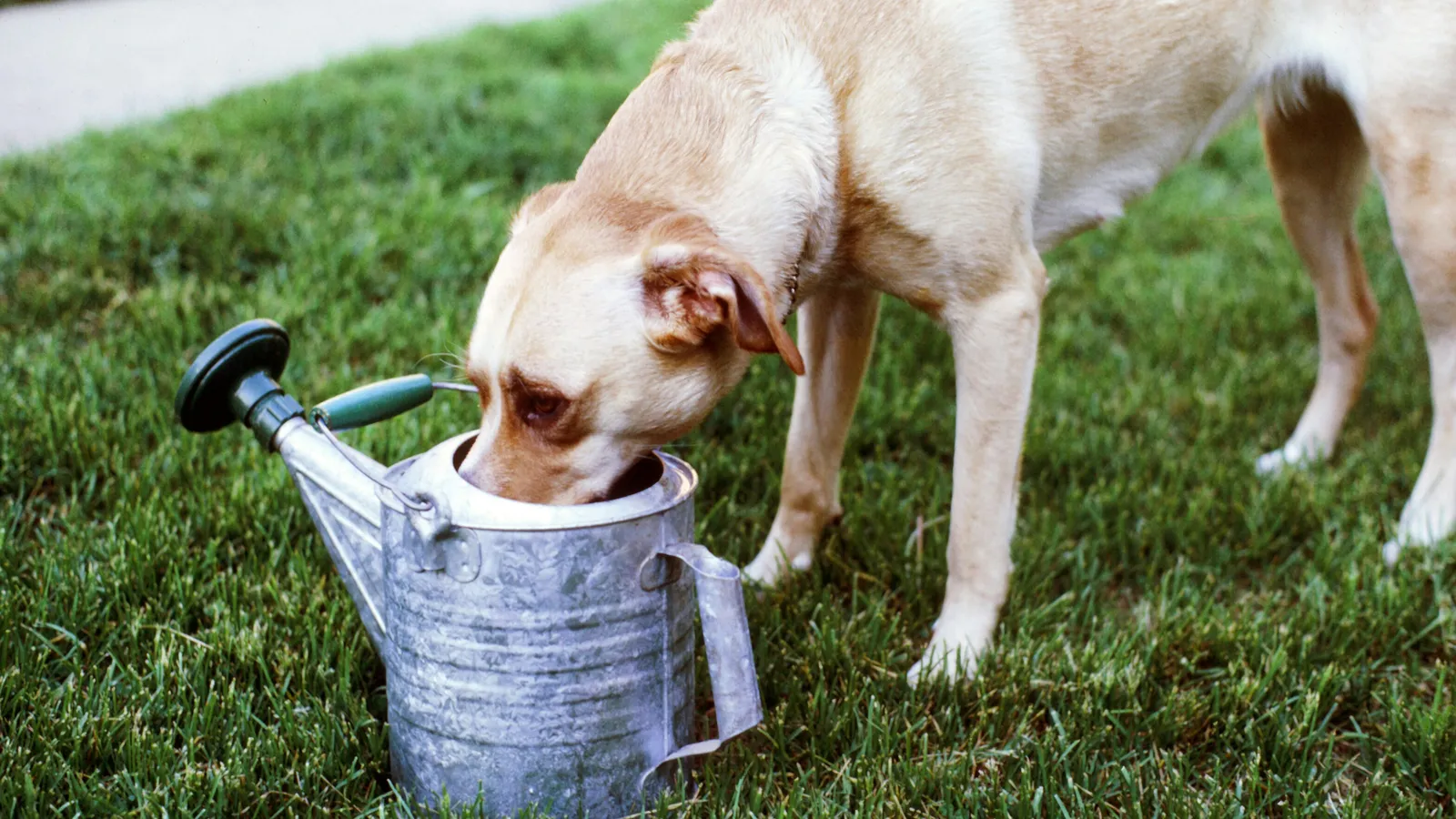
You’ve refilled the water bowl twice before lunch, or your dog is suddenly asking to go out at 3 a.m. When an older dog starts drinking a lot more water, it’s worth paying attention. Thirst on a hot day or after a long walk is normal. A steady increase over several days is different, and it’s one of the earliest signs of several common senior-dog conditions, including kidney disease, diabetes and Cushing’s disease. The first useful step is simple: don’t take the water away, measure how much your dog drinks in 24 hours, and call your vet with that number.
Key takeaways
- More drinking usually goes with more peeing. Vets call this PU/PD (polyuria and polydipsia). VCA says the most common causes include kidney disorders, pyometra, hormone disorders such as Cushing’s disease and diabetes, high blood calcium, liver disease, some cancers and certain drugs.
- Don’t restrict water while you wait for answers. Many of these dogs drink more because they’re losing more water in their urine. A Zoetis Diagnostics guide for veterinarians says owners should allow free access to water during the workup.
- Measure it. VCA says it helps your vet if you measure how much water your dog drinks in a 24-hour period. Veterinary references generally treat more than about 100 mL per kilogram of body weight per day as excessive in dogs.
- Some versions are urgent. An unspayed female who is drinking more and seems unwell, or any dog who is drinking more and also vomiting, not eating, or very lethargic, needs to be seen the same day.
- The workup is usually straightforward. A history, an exam, blood tests and a urinalysis find the cause in most dogs.
On this page
- Normal thirst or something more?
- How to measure your dog’s water intake
- Common causes in older dogs
- Medications and other causes
- When to call the vet
- What your vet will check
- Living with a thirsty senior dog
- Frequently asked questions
Normal thirst or something more?
How much a healthy dog drinks varies a lot from day to day. A Zoetis Diagnostics guide for veterinarians notes that water intake in healthy animals is “extremely variable” and is influenced by temperature and humidity, activity, and how much water is in the diet. A dog who switches from canned food to dry kibble will drink more, because the canned food was supplying some of that water. A hot afternoon, a long hike or a salty treat can all bump intake up for a day.
What vets want to know about is a sustained change: more drinking that lasts for days, often with more peeing to match. In a 2019 review in the veterinary journal In Practice, Yvonne McGrotty and Susan Randell defined polydipsia in dogs as water intake above 100 mL per kilogram of body weight per day, and polyuria as urine output above 50 mL per kilogram per day. They also noted that water consumption can vary considerably from one day to the next.
To put that threshold in household terms, 100 mL per kilogram is roughly 1.5 fluid ounces per pound of body weight per day. For a 40-pound dog, that’s about 60 fluid ounces, or a little under two quarts. Most dogs drink well under that, so if your dog is close to or above it, that’s useful information for your vet. Don’t wait for the number to cross a line, though: a clear change from what’s normal for your dog is reason enough to call.
Signs that often show up before anyone measures anything:
- The water bowl empties much faster than it used to
- Your dog drinks from unusual places, like the toilet, puddles, the shower floor or plant saucers
- Bigger or more frequent puddles on walks, or asking to go out more often
- Waking at night to drink or to pee
- New accidents in the house in a dog who was reliably house-trained (see our guide to senior dog peeing in the house)
How to measure your dog’s water intake
VCA’s veterinarians say it helps your vet judge how serious the problem is if you measure how much water your dog drinks in 24 hours. Here’s a simple way to do it at home:
- Pick one bowl and put away the others for the day, if you can do that without limiting how much your dog can drink.
- Measure what goes in. Use a measuring cup or a marked jug. Write down every amount you add.
- Measure what’s left at the same time the next day, and subtract it from the total you put in.
- Repeat for two or three days if you can, since one day can be misleading.
- Note anything unusual: a hot day, a long walk, a food change, wet food versus dry, or water your dog gets from other sources.
Bring the numbers to your appointment, along with your dog’s weight, a list of every medication and supplement, and when an unspayed female was last in heat. If your vet asks for a urine sample, ask how to collect and store it.
Common causes in older dogs
VCA’s list of the most common causes of increased thirst and urination covers kidney disorders, pyometra, hormone disorders (Cushing’s disease, Addison’s disease, diabetes mellitus, diabetes insipidus and, less often in dogs, an overactive thyroid), high blood calcium, some cancers, liver disease, certain drugs, electrolyte imbalances and, rarely, a behavioral problem called psychogenic thirst. A Zoetis Diagnostics brochure for veterinarians names the three most common causes in dogs as chronic kidney disease, diabetes mellitus and hyperadrenocorticism (Cushing’s). These are the ones most likely to come up for a senior dog.
| Cause | Other signs that often go with it | How urgent? |
|---|---|---|
| Chronic kidney disease | Later: poor appetite, weight loss, vomiting, bad breath, lethargy (VCA) | Book a vet visit soon; sooner if your dog is unwell |
| Diabetes mellitus | Increased appetite and weight loss (VCA) | Book soon; same day if vomiting, not eating or very lethargic |
| Cushing’s disease | Increased appetite, pot belly, panting, thin skin, hair loss (VCA) | Book a vet visit soon |
| Pyometra (unspayed females) | Vaginal discharge, swollen belly, lethargy, vomiting, often weeks after a heat (VCA) | Emergency, same day |
| Medications | Started or changed recently, such as steroids, seizure drugs or diuretics (VCA) | Call your vet; don’t stop the drug on your own |
Sources: VCA Animal Hospitals pages on increased thirst and urination, chronic kidney disease, diabetes, Cushing’s disease and pyometra, checked November 15, 2026.
Chronic kidney disease
VCA says the earliest clinical signs of chronic kidney disease (CKD) in dogs are increased water consumption and urination. Early on, the kidneys make a larger amount of more dilute urine to cope with their reduced ability to remove waste, and the dog drinks more to keep up. VCA notes that CKD in dogs is associated with aging: in most small dogs the early signs appear around 10 to 14 years of age, while large dogs may develop kidney failure as early as seven.
The Merck Veterinary Manual describes CKD as a common disease of older dogs and cats that is long-term but “can be managed for years, if recognized early.” It also explains why thirst can be the first clue: increased drinking and urination usually aren’t evident until about two-thirds of the kidney’s working units are lost. Later signs, according to VCA, include poor appetite, lethargy, vomiting, diarrhea, pale gums, bad breath and mouth ulcers.
Kidney disease is managed, not fixed, and the plan usually includes a diet your vet chooses. Our best senior dog food guide explains why an over-the-counter senior food isn’t the same as a therapeutic kidney diet.
Diabetes mellitus
VCA lists the four main signs of diabetes in dogs as increased thirst, increased urination, weight loss and increased appetite. When there isn’t enough insulin, glucose builds up in the blood and spills into the urine, pulling water with it. Most diabetic dogs need insulin injections, usually twice a day, along with consistent meals.
The urgent version is diabetic ketoacidosis. VCA says a diabetic dog who is so sick that they have stopped eating and drinking for several days may have it, and may need several days of intensive care. A dog who is drinking a lot and vomiting, refusing food or very lethargic should be seen the same day.
Cushing’s disease
Cushing’s disease (hyperadrenocorticism) means the body is making too much cortisol. VCA says the most common signs are increased appetite, increased water consumption and increased urination. Many dogs also develop a pot-bellied look, and other common signs include panting, thin skin, skin infections, hair coat changes and recurring bladder infections. If your older dog is panting more at night as well as drinking more, see our guide to senior dog panting and restlessness at night, which covers Cushing’s alongside other causes.
VCA describes three forms: most commonly a pituitary tumor, sometimes an adrenal tumor, and an “iatrogenic” form caused by long-term use of steroid medications. That last one is a reason to tell your vet about every medication your dog takes.
Pyometra (unspayed females)
Pyometra is a serious and life-threatening infection of the uterus, and VCA says it must be treated quickly and aggressively. It can occur in any unspayed female dog but is most common in older dogs, after many years of heat cycles without pregnancy. VCA says it typically shows up four to six weeks after a heat, though it can happen anywhere from two to 16 weeks after.
The toxins released by the bacteria affect the kidneys’ ability to retain fluid, so the dog pees more and drinks large amounts of water to compensate. If the cervix is open, you may see discharge under the tail or on bedding. If it’s closed, there may be no discharge at all, and VCA says these dogs “become severely ill very quickly,” with a swollen belly, refusal to eat, listlessness, and sometimes vomiting or diarrhea. VCA’s veterinarians write that any very ill, unspayed female who is drinking more water should be suspected of having pyometra. The usual treatment is surgery to remove the uterus and ovaries.
Medications and other causes
Medications. VCA asks owners to tell their vet about any medication or supplement their dog receives, naming anti-seizure drugs, corticosteroids (such as prednisone) and diuretics as examples that can increase thirst and urination. If your dog started a new medication shortly before the drinking changed, call your vet, but don’t stop or change the dose yourself. Some of these drugs are essential, and your vet may simply adjust the plan.
Other medical causes. VCA also lists liver disease, high blood calcium (which has several possible causes, including some cancers), Addison’s disease, diabetes insipidus (where the brain doesn’t make enough of the hormone that tells the kidneys to hold water, or the kidneys don’t respond to it) and electrolyte imbalances. VCA also includes kidney infection among the kidney disorders that can do it.
Psychogenic thirst. Rarely, a dog drinks too much for behavioral reasons, with no underlying disease. VCA calls this uncommon, and vets diagnose it only after ruling out medical causes.
Everyday factors. Hot weather, more exercise, a switch from wet to dry food, or salty treats can all raise water intake for a while. If the extra drinking settles once the cause is gone, that’s reassuring. If it doesn’t, call your vet.
When to call the vet
Call your vet or an emergency clinic right away if your dog is drinking more and also:
- Is an unspayed female, especially if she was in heat in the last few months, has vaginal discharge, a swollen belly, or seems quiet or unwell
- Is vomiting, has diarrhea, or won’t eat
- Is very lethargic, weak or collapsing
- Has diabetes and seems unwell, isn’t eating, or you’re unsure about their insulin
- Is straining to pee, passing only drops, or not peeing at all
- May have eaten something toxic
Book a vet visit within a few days if your dog is drinking noticeably more for more than a day or two with no obvious reason, especially with any of these:
- Peeing more often or in larger amounts, or new accidents in the house
- Eating more than usual, or losing weight despite eating
- A pot belly, thinning coat or more panting
- Already diagnosed with kidney disease, diabetes, Cushing’s or liver disease, and the drinking has changed
Bring your 24-hour water measurements and your list of medications and supplements. If you’re unsure which category your dog is in, call and describe what you’re seeing. Clinics triage calls like this every day.
What your vet will check
VCA says the search for answers starts with a complete history and physical exam. Your vet will ask how long the drinking has been going on, how much your dog is drinking, whether appetite or weight has changed, what medications and supplements your dog takes, and, for an unspayed female, when her last heat was. The exam itself can give clues: VCA gives the example of a dog with a sagging belly and hair loss, which might point toward Cushing’s disease.
Most dogs then need a few standard tests:
- Urinalysis, including urine specific gravity (how concentrated the urine is). VCA calls low urine specific gravity the earliest sign of kidney disease. A urinalysis can also find sugar in the urine, signs of infection, or protein.
- Blood chemistry and a complete blood count, which look at kidney values, blood sugar, liver enzymes, calcium and electrolytes.
- More specific tests if needed, such as a urine culture, hormone tests for Cushing’s disease, blood pressure, or imaging such as X-rays or ultrasound.
AAHA’s senior care guidelines recommend a blood count, chemistry panel and urinalysis every 6 to 12 months for senior dogs, even when they seem healthy. The AVMA says senior pets should see a veterinarian twice a year or more. Routine tests like these sometimes pick up kidney changes before you notice any extra thirst.
Living with a thirsty senior dog
While you wait for the appointment, and afterward if your dog has a long-term condition:
- Keep fresh water available at all times, including overnight. A second bowl in another room can help an older dog who doesn’t want to walk far.
- Plan for more bathroom breaks, including a last trip right before bed. A dog who is drinking more simply has to pee more. Our guide to senior dog peeing in the house covers washable bedding, pads and diapers if accidents happen.
- Keep a simple log of water intake, appetite, weight and accidents. It helps your vet see whether treatment is working.
- Don’t switch foods or add supplements on your own while the cause is being worked out. Changes can muddy the picture.
- Watch for new signs such as vomiting, refusing food, or lethargy, and call your vet if they appear.
Increased thirst can also be part of a bigger picture in a very old dog who is slowing down in many ways. If you’re starting to wonder about quality of life, our gentle guide to signs your dog may be dying of old age explains why many of those changes are treatable, and how to talk with your vet.
Frequently asked questions
Why is my old dog drinking so much water all of a sudden?
A sudden, lasting increase in thirst in an older dog is most often linked to kidney disease, diabetes or Cushing’s disease, and in unspayed females, pyometra. Medications such as steroids can also do it. Hot weather or a diet change can cause a short-term increase. Because the causes range from minor to urgent, call your vet and describe what you’re seeing.
Should I limit my senior dog’s water?
No, not unless your veterinarian tells you to. Many dogs with these conditions drink more because they are losing extra water in their urine. Taking water away doesn’t fix that, and it can leave your dog dehydrated. Offer plenty of fresh water and more bathroom breaks instead.
How much water should a senior dog drink a day?
It varies with size, diet, weather and activity. Veterinary references generally treat more than about 100 mL per kilogram of body weight per day (roughly 1.5 fluid ounces per pound) as excessive in dogs. A clear change from your dog’s own normal matters more than any single number.
Is an old dog drinking a lot of water a sign of dying?
Not by itself. Increased thirst is a sign that something has changed, often something treatable or manageable, such as diabetes, Cushing’s disease or early kidney disease. Merck notes that kidney disease can be managed for years if it’s recognized early. A vet visit is the way to find out.
My older dog is drinking and peeing a lot. Is it a UTI?
It can be part of the picture. VCA lists the signs of a urinary tract infection as painful urination, blood in the urine, dribbling, licking the genitals, strong-smelling urine and a break in house training. A big increase in thirst points more toward the other causes in this article. Your vet will usually check a urine sample for infection while also looking for kidney disease, diabetes and hormone problems.
The bottom line
When an older dog starts drinking a lot more water, the body is usually telling you something. The most common reasons in senior dogs are kidney disease, diabetes and Cushing’s disease, and in unspayed females, the emergency of pyometra. Keep water available, measure what your dog drinks for a day or two, and call your vet. Go the same day if your dog is also vomiting, not eating, very lethargic, or is an unspayed female who seems unwell.
Not veterinary advice: This article is for general information and isn’t a substitute for professional veterinary advice. Always talk with your veterinarian before changing your dog’s diet, supplements or medications, or if you notice new symptoms.
Sources
All pages below were opened and read on November 15, 2026.
- VCA Animal Hospitals. Testing for increased thirst and urination.
- VCA Animal Hospitals. Chronic kidney disease in dogs (Courtney Barnes, DVM; Ryan Llera, DVM; Malcolm Weir, DVM; Ernest Ward, DVM).
- Merck Veterinary Manual. Renal dysfunction in dogs and cats.
- VCA Animal Hospitals. Diabetes mellitus in dogs.
- VCA Animal Hospitals. Cushing’s disease in dogs.
- VCA Animal Hospitals. Pyometra in dogs (Courtney Barnes, DVM; Malcolm Weir, DVM; Ernest Ward, DVM).
- AAHA. 2023 AAHA Senior Care Guidelines for Dogs and Cats: Diagnostic tests and recommended frequencies.
- AVMA. Caring for senior cats and dogs.
- McGrotty Y, Randell S. Diagnostic approach to polyuria and polydipsia in dogs. In Practice, 2019.
- Zoetis Diagnostics. Polyuria and polydipsia in dogs and cats (PDF guide for veterinary teams).
Related guides
- Browse all Health guides
- Senior dog peeing in the house: causes, what helps, and diapers
- Senior dog panting at night and restless: what to check first
- Signs your dog may be dying of old age, and what to do
- Dog dementia: signs and a sundowning night plan
- Best senior dog food (2026): how to choose, plus label-checked options
- When is a dog considered senior? Age by size and breed
Written by the SeniorPupLife Editorial Team. Last updated: November 15, 2026. Sources last checked November 15, 2026; we plan to recheck them by May 2027. This article has not been reviewed by a veterinarian.