Best supplements for senior dogs: what the evidence says

Not veterinary advice: This article is for general information and isn’t a substitute for professional veterinary advice. Always talk with your veterinarian before changing your dog’s diet, supplements or medications, or if you notice new symptoms.
The supplement aisle for older dogs is crowded with chews, powders and promises. If you’re wondering which ones are worth it for your senior dog, here’s the short answer from the research. Omega-3 fatty acids from fish oil (EPA and DHA) have the strongest evidence, mainly for arthritis. Green-lipped mussel has some supportive studies. Glucosamine and chondroitin, the most popular joint ingredients, have surprisingly weak evidence for pain relief. SAMe has one small trial for age-related mental decline, and probiotics are mainly useful for gut problems. Before buying anything, talk with your vet about what you’re trying to help, and what your dog already takes.
Key takeaways
- Omega-3s lead the evidence. A 2012 systematic review in the Journal of Veterinary Internal Medicine found the strength of evidence was low for all joint nutraceuticals except omega-3 fatty acids in dogs. A 2022 meta-analysis found a clear pain-relief effect for omega-3-enriched diets and omega-3 supplements.
- Glucosamine and chondroitin underperform. That 2022 meta-analysis found “a very marked non-effect” of glucosamine-chondroitin products and recommended they no longer be advised for arthritis pain. The Merck Veterinary Manual summarizes it the same way.
- Supplements aren’t regulated like drugs. VCA notes that nutraceuticals don’t go through the same testing and regulation as pharmaceuticals, and advises “healthy skepticism.”
- Look for quality signals. The National Animal Supplement Council (NASC) Quality Seal means a company passed an independent quality audit. It isn’t proof that a product works.
- Tell your vet everything. AAHA’s senior care guidelines call knowing every supplement a pet takes “a critical aspect” of the medical history.
On this page
- The evidence at a glance
- Omega-3 fatty acids (fish oil)
- Glucosamine and chondroitin
- Green-lipped mussel
- SAMe for the aging brain
- Probiotics
- How to judge a supplement’s quality
- Why we don’t name products
- Frequently asked questions
The evidence at a glance
| Supplement | What people use it for | What the evidence shows |
|---|---|---|
| Omega-3s (EPA and DHA, usually fish oil) | Arthritis; also heart disease in some dogs | Strongest of the joint supplements. Systematic reviews and controlled trials support benefit for arthritis in dogs. |
| Green-lipped mussel | Arthritis | Some supportive studies, including a small 2013 diet study. More research needed. |
| Glucosamine and chondroitin | Joint health, arthritis | Weak. A 2022 meta-analysis found no meaningful pain-relief effect. |
| SAMe (S-adenosylmethionine) | Age-related mental decline | One small placebo-controlled trial in older dogs found improvement in activity and awareness. |
| Probiotics | Digestion | Best use is diarrhea and other gut problems. Effects depend on the specific strain. |
Sources: Barbeau-Grégoire et al. 2022; Vandeweerd et al. 2012; Merck Veterinary Manual; VCA; Rialland et al. 2013; Rème et al. 2008; Tufts Petfoodology. Full list at the end. We give no doses here: your vet should set any dose for your dog.
A note on how to read the evidence. Most of this research is about arthritis (osteoarthritis), the most common reason people buy supplements for an older dog. A supplement that helps arthritis pain doesn’t prevent arthritis, and none of these replace a veterinary exam and a pain plan. If your dog is stiff, slow to rise or reluctant on stairs, see senior dog back legs weak for the causes vets look for first.
Omega-3 fatty acids (fish oil)
What it is. Marine omega-3 fatty acids, mainly eicosapentaenoic acid (EPA) and docosahexaenoic acid (DHA), come from fish oil and some other marine sources. They’re added to some dog foods and sold as liquids and capsules.
The evidence for arthritis. Omega-3s have the most consistent support of any joint supplement:
- A 2012 systematic review of controlled trials in horses, dogs and cats found the strength of evidence was low for all nutraceuticals “except for omega-3 fatty acid in dogs.” It concluded that “the evidence of efficacy of nutraceuticals is poor, with the exception of diets supplemented with omega-3 fatty acids in dogs” (Vandeweerd et al., Journal of Veterinary Internal Medicine).
- A 2022 systematic review and meta-analysis of 72 trials found “an evident clinical analgesic efficacy for omega-3-enriched diets, omega-3 supplements and cannabidiol (to a lesser degree)” (Barbeau-Grégoire et al., International Journal of Molecular Sciences).
- In a randomized, double-blinded trial at 18 veterinary practices, 127 dogs with arthritis were fed either a typical food or a food very high in fish-oil omega-3s for six months. According to owners, dogs on the omega-3 food were better able to rise from rest and play at six weeks, and walked better at 12 and 24 weeks (Roush et al., Journal of the American Veterinary Medical Association, 2010).
The Merck Veterinary Manual says EPA supplementation and EPA-rich diets have been shown to improve gait and mobility in dogs and to have an “NSAID-sparing effect,” meaning some dogs may need less anti-inflammatory pain medication. VCA adds that good joint-support diets are rich in EPA.
Heart disease. The ACVIM’s 2019 consensus guidelines on myxomatous mitral valve disease (which they call the most common heart disease of dogs in many parts of the world) suggest considering omega-3 supplements in dogs with heart failure, especially those with decreased appetite, muscle loss or irregular heart rhythms. That’s a decision for your vet or cardiologist.
Things to know.
- Diet or supplement? Some therapeutic joint diets are formulated with high EPA levels, which can be simpler than adding a separate product. Ask your vet which route fits your dog.
- Dose matters, and it’s your vet’s call. The amounts used in studies are much higher than what’s in many everyday foods, and the right amount depends on your dog’s weight, health and other medications. We don’t give doses.
- Want the details? Our guide to fish oil for senior dogs covers the arthritis trials, kidney and skin evidence, side effects, drug interactions and how to avoid rancid oil.
- Fish oil adds calories. That matters for an older dog who’s already carrying extra weight, which is itself hard on sore joints. Our best senior dog food guide explains how to compare foods by calories and by their guaranteed EPA and DHA.
Glucosamine and chondroitin
These are the best-known joint supplements, and they’re in many senior dog foods and chews. The research is disappointing.
The Merck Veterinary Manual notes that glucosamine and chondroitin are among the most common nutraceuticals used for arthritis pain in dogs and cats, but that a systematic review and meta-analysis “found no evidence of a beneficial effect.” The 2022 meta-analysis it refers to was blunt: it found “a very marked non-effect of chondroitin-glucosamine nutraceuticals” and recommended that these products “no longer be recommended for pain management” in canine and feline arthritis. VCA’s veterinarians agree that “research to support definitive benefits has yet to be available,” though VCA notes that low-molecular-weight chondroitin appears to have a positive effect in some studies.
Two more nuances from Merck. First, many glucosamine and chondroitin products also contain other ingredients, such as avocado and soybean unsaponifiables (ASU), type II collagen or eggshell membrane, that are “possibly efficacious.” Second, injectable products in the same family, such as polysulfated glycosaminoglycan, are prescription drugs given by your vet, not the same thing as an over-the-counter chew.
If your dog is already on glucosamine and seems to be doing well, there’s no need to panic. Just mention it at your next visit, and don’t count on it as your dog’s main arthritis treatment.
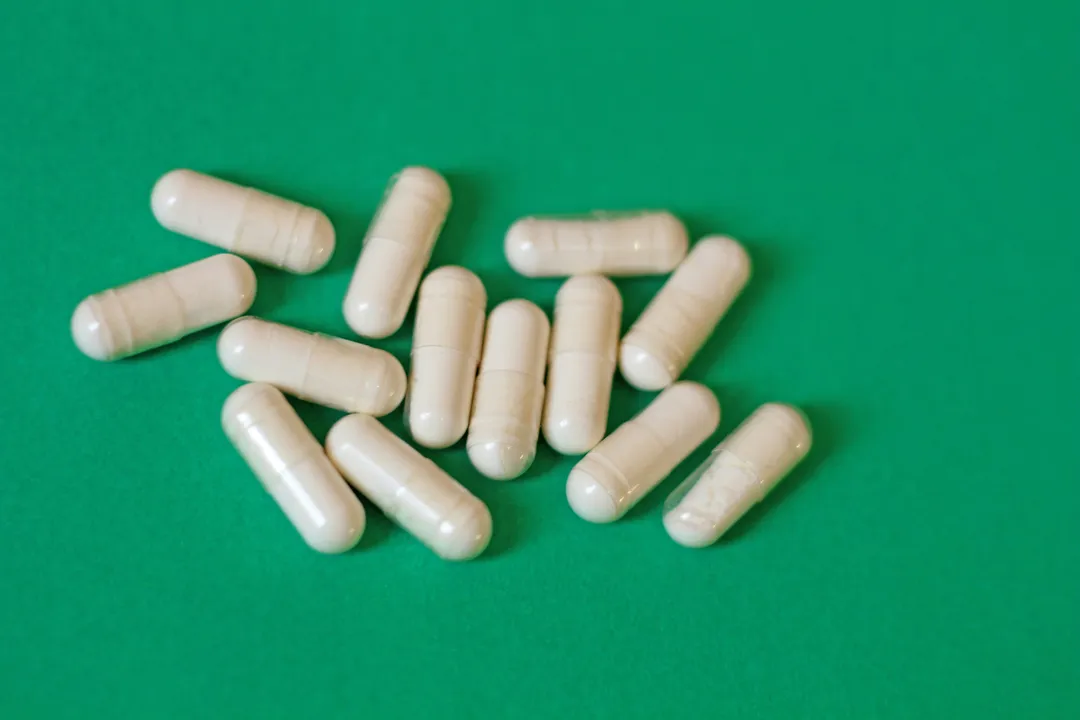
Green-lipped mussel
Green-lipped mussel comes from New Zealand. VCA describes it as a source of an omega-3 fatty acid called eicosatetraenoic acid (ETA), glycosaminoglycans and other nutrients, and says studies show reduced orthopedic pain with its use.
One example: in a 2013 study published in the Canadian Journal of Veterinary Research, 23 dogs with arthritis ate a balanced control diet for 30 days, then a green-lipped-mussel-enriched diet for 60 days. Their gait, measured on a force plate, improved during the mussel diet, and owner pain scores and activity improved over the full study. The authors noted that the control diet may have helped too, with the mussel diet amplifying the effect. It’s a small study without a separate placebo group, so it’s encouraging rather than conclusive.
SAMe for the aging brain
S-adenosylmethionine (SAMe) is a compound the body makes naturally. In a double-blinded, placebo-controlled trial published in 2008 in Veterinary Therapeutics, 36 dogs older than 8 with signs of cognitive dysfunction got SAMe tablets or placebo tablets for two months. Dogs given SAMe showed greater improvement in activity and awareness, and their overall mental impairment score dropped by more than half in 41% of treated dogs compared with 16% on placebo. The tablet tested was made by a veterinary pharmaceutical company, and it was one small study.
The AVMA says certain diets, medications and opportunities to interact with their surroundings can help support brain function in senior pets, and that your veterinarian can recommend which might suit your pet. If you’re seeing night waking, confusion or house soiling, start with our guide to dog dementia and sundowning, and ask your vet whether SAMe or another option makes sense.
Probiotics
Probiotics are live bacteria (and sometimes yeasts) meant to support a healthy gut. Tufts University’s veterinary nutritionists say the best use for probiotic supplements, based on current knowledge, is for intestinal disease such as diarrhea, and that “there is not yet evidence that probiotic supplements improve overall wellness in otherwise healthy animals.”
Two cautions from Tufts. Results are often strain-specific, so unless you use the exact product used in a study, at the same dose, in the same species, you may not see the same results. And quality control is a real problem: Tufts describes a 2011 study from a Canadian veterinary school that found only 2 of 15 popular pet probiotics had labels that matched what was actually in the package. Tufts also says there’s no evidence that dry foods with added probiotics benefit pets over foods without them. If your older dog has an upset stomach, our best senior dog food guide covers diet changes to discuss with your vet.
How to judge a supplement’s quality
Because supplements aren’t held to drug-level testing, quality varies. A few ways to tilt the odds:
Look for the NASC Quality Seal. The National Animal Supplement Council is a trade group for animal supplement makers. To display its Quality Seal, the NASC says a member company must pass an independent quality audit and keep meeting criteria that include a written quality control manual for production, an adverse event reporting and complaint system, labeling guidelines, and caution statements on labels that the FDA’s Center for Veterinary Medicine recommends for certain ingredients. Those criteria are about how a product is made, labeled and monitored. The seal isn’t a test of whether a product works for your dog.
Be wary of testimonials. WSAVA’s guide to finding nutrition information online warns that one person’s story about a supplement fixing their dog’s illness can be misleading, because positive anecdotes “do not mean that the actual product or treatment is really beneficial.” It advises discussing what you’ve heard with your vet. The same guide lists ConsumerLab, a subscription site that independently evaluates supplements (mostly for people, with some pet products), as a resource.
Check the label for the active amount. For fish oil, look for the actual amount of EPA and DHA, not just “fish oil” or “omega-3s.” That’s what your vet will need to work out a dose.
Prefer products made for dogs, and ask your vet before using a supplement made for people. Doses and other ingredients in human products are designed for people, not for a dog’s size or needs.
Keep a list. AAHA’s senior care guidelines say that knowing every pharmaceutical, supplement, nutraceutical, cream and oil a pet receives is “a critical aspect” of the history, so your vet can judge what’s needed and avoid problems. Bring the containers or photos of the labels to your senior checkup. The AVMA says senior pets should see the vet twice a year or more, which makes those visits a natural time to review supplements.
Why we don’t name products
We set a simple rule for this guide: only name a specific product if we could verify its claims and contents from the maker’s own pages, and only if the evidence above would support recommending it. The research on most supplements is about ingredients, sometimes in a specific study product, rather than about the brands on the shelf. We haven’t tested any products ourselves. Rather than pick winners we can’t stand behind, we’d rather help you ask your vet the right questions:
- What problem are we trying to help, and how will we know if it’s working?
- Does the evidence support this ingredient for that problem?
- What dose, and for how long before we judge it?
- Could it interact with my dog’s medications or conditions?
- Would a therapeutic diet do the job instead?
Frequently asked questions
What is the best supplement for a senior dog?
For arthritis, omega-3 fatty acids (EPA and DHA, usually from fish oil) have the strongest evidence of any supplement. Whether your dog needs one, and how much, depends on their health, diet and medications, so ask your vet.
Do joint supplements really work for old dogs?
Some do better than others. Omega-3s have consistent support for arthritis pain and mobility, and green-lipped mussel has some. Glucosamine and chondroitin, despite their popularity, did poorly in a 2022 meta-analysis. No supplement replaces a veterinary pain plan for a dog with arthritis.
Is glucosamine good for senior dogs?
The evidence for pain relief is weak. A 2022 meta-analysis recommended that glucosamine-chondroitin products no longer be recommended for arthritis pain in dogs and cats. Some combination products contain other ingredients that may help, so if your dog takes one, review it with your vet.
Can I give my dog human fish oil?
Ask your vet first. The dose depends on the amount of EPA and DHA in the product and on your dog’s weight and health, and products made for people may contain other ingredients your vet will want to check. Our fish oil for senior dogs guide covers side effects, drug interactions and quality.
Does my senior dog need a multivitamin?
A food labeled “complete and balanced” has to meet AAFCO’s nutrient profiles or pass an AAFCO feeding trial (our best senior dog food guide explains the label wording), so a healthy dog eating one usually doesn’t need a multivitamin unless your vet finds a reason. If your dog eats a home-cooked diet, ask your vet or a veterinary nutritionist which supplements are needed to balance it.
The bottom line
The best supplements for senior dogs are the ones with evidence behind them and a clear reason to use them. Omega-3s lead for arthritis, green-lipped mussel has some support, SAMe has a small trial for cognitive decline, and probiotics are mainly for gut problems. Glucosamine and chondroitin are popular but poorly supported for pain. Look for quality signals like the NASC Quality Seal, be skeptical of big promises, and work out the plan, and the dose, with your vet.
Not veterinary advice: This article is for general information and isn’t a substitute for professional veterinary advice. Always talk with your veterinarian before changing your dog’s diet, supplements or medications, or if you notice new symptoms.
Sources
All pages below were opened and read on November 15, 2026. Study details come from the published abstracts.
- Barbeau-Grégoire M, Otis C, Cournoyer A, Moreau M, Lussier B, Troncy E. A 2022 systematic review and meta-analysis of enriched therapeutic diets and nutraceuticals in canine and feline osteoarthritis. International Journal of Molecular Sciences, 2022.
- Vandeweerd JM, Coisnon C, Clegg P, et al. Systematic review of efficacy of nutraceuticals to alleviate clinical signs of osteoarthritis. Journal of Veterinary Internal Medicine, 2012.
- Roush JK, Dodd CE, Fritsch DA, et al. Multicenter veterinary practice assessment of the effects of omega-3 fatty acids on osteoarthritis in dogs. Journal of the American Veterinary Medical Association, 2010.
- Rialland P, Bichot S, Lussier B, et al. Effect of a diet enriched with green-lipped mussel on pain behavior and functioning in dogs with clinical osteoarthritis. Canadian Journal of Veterinary Research, 2013.
- Rème CA, Dramard V, Kern L, et al. Effect of S-adenosylmethionine tablets on the reduction of age-related mental decline in dogs: a double-blinded, placebo-controlled trial. Veterinary Therapeutics, 2008.
- Keene BW, Atkins CE, Bonagura JD, et al. ACVIM consensus guidelines for the diagnosis and treatment of myxomatous mitral valve disease in dogs. Journal of Veterinary Internal Medicine, 2019.
- Merck Veterinary Manual. Osteoarthritis in dogs and cats.
- VCA Animal Hospitals. Nutraceuticals for joint support in dogs with osteoarthritis.
- Tufts University Cummings School of Veterinary Medicine, Petfoodology. Good bugs/bad bugs: the confusing world of probiotic supplements.
- National Animal Supplement Council. NASC Quality Seal.
- WSAVA Global Nutrition Committee. The savvy dog owner’s guide: nutrition on the internet (PDF).
- AAHA. 2023 AAHA Senior Care Guidelines for Dogs and Cats: Evaluating the healthy senior pet.
- AVMA. Caring for senior cats and dogs.
Related guides
- Browse all Joints & supplements guides
- Fish oil for senior dogs: what the evidence says
- Senior dog back legs weak? Causes, red flags and what to do
- Senior dog slipping on hardwood floors: a room-by-room fix
- Dog dementia: signs and a sundowning night plan
- Best senior dog food (2026): how to choose, plus label-checked options
- Senior dog food: do older dogs really need a senior diet?
Written by the SeniorPupLife Editorial Team. Last updated: November 16, 2026. Sources last checked November 15, 2026; we plan to recheck them by May 2027. This article has not been reviewed by a veterinarian.